


Smart casual dress code: your complete UK style guide
What does the smart casual dress code actually mean?
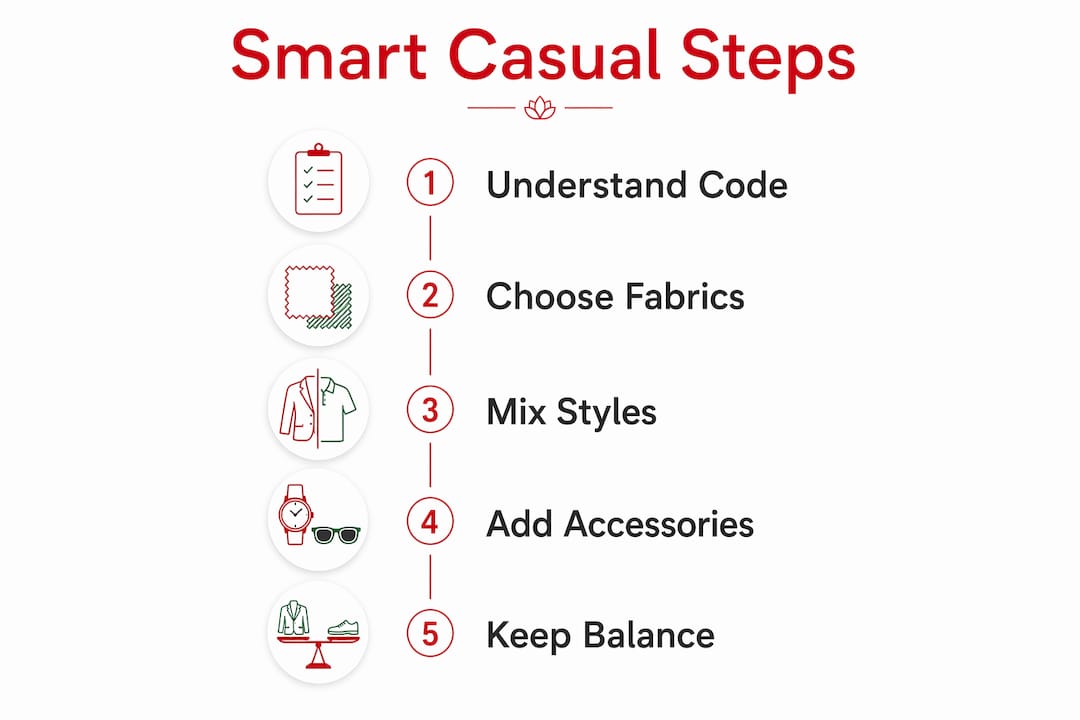
Smart casual sits in the middle ground between formal attire and everyday casual wear, and it is genuinely one of the most misunderstood dress codes around. At its core, it means polished yet relaxed: think quality fabrics, a good fit, and visual restraint rather than a strict uniform. The Cambridge English Dictionary defines it as clothing that is “neat and stylish, but not too formal,” which captures the spirit well, even if it leaves plenty of room for interpretation.
What makes smart casual work is balance. You are not reaching for a full suit, nor are you throwing on whatever is nearest the door. The goal is an outfit that looks considered without appearing stiff, and comfortable without sliding into off-duty territory. As Hunterskill Recruitment notes, smart casual is less about specific garments and more about the experience of wearing quality, effortless clothing that performs well across varied environments.
Essential elements of the smart casual dress code at a glance:
- Quality fabrics: fine cotton, linen, wool, silk, or viscose
- Well-fitted garments with clean lines and no visible wear
- A structured piece (blazer, tailored trouser, or smart dress) anchoring the outfit
- Neutral or muted colour palette as the base, with considered accents
- Polished footwear: loafers, ankle boots, block heels, or clean leather shoes
- Accessories kept minimal and purposeful
- No gymwear, ripped denim, loud logos, or flip-flops
Table of Contents
- How smart casual evolved in UK fashion
- The different styles and shades of smart casual for men and women
- How to build a smart casual wardrobe that actually works
- Common mistakes that undermine a smart casual look
- How to make smart casual feel personal and occasion-ready
- Inclusive smart casual: styling options for every woman
- Lashra makes smart casual effortless for every woman
- Key takeaways
How smart casual evolved in UK fashion
Smart casual as a concept took shape in the 20th century, originally describing a lounge suit in an unconventional colour or lighter fabric, something less rigid than the traditional dark wool suit. By the 1950s, as Wikipedia’s smart casual entry records, the line between smart casual and business casual had blurred considerably, both pointing toward a more relaxed version of professional dress.
In the UK specifically, the shift gathered pace through the 1980s and 1990s as workplaces began relaxing their dress codes. The rise of creative industries, tech companies, and flexible working arrangements pushed employers and employees alike to find a middle ground: professional enough for client meetings, relaxed enough for a long day at a desk. Social occasions followed suit, with restaurants, weddings, and events increasingly opting for smart casual over black tie or lounge suit requirements.
The dress code also became more gender-inclusive over time. Where early interpretations leaned heavily on menswear conventions, women’s smart casual expanded to embrace tailored trousers, midi dresses, knitwear, and co-ord sets alongside the classic blazer. UK climate plays a role too: layering is not just a style choice here, it is a practical necessity, and that has made the blazer-over-knitwear combination a British wardrobe staple rather than a seasonal option.
The different styles and shades of smart casual for men and women
Smart casual is not a single look. It spans a spectrum, and understanding where your occasion sits on that spectrum is half the battle.
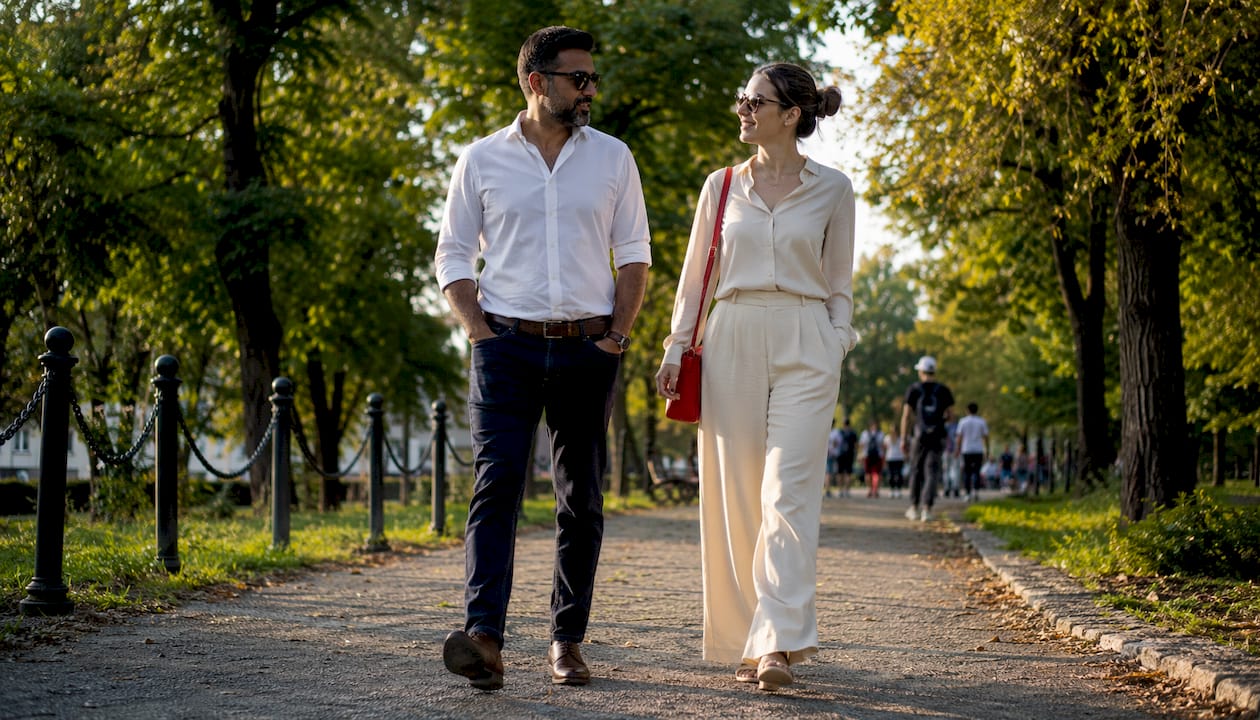
Fashionnovation’s smart casual guide describes the range well: at the formal end, you have blazers paired with dress trousers or a tailored midi dress; at the relaxed end, dark jeans with knitwear and clean leather shoes. Both are smart casual. The difference lies in the occasion and the signals you want to send.
For women, the spectrum looks like this:
- Formal-leaning: Tailored trousers or a midi dress with a structured blazer, silk blouse, and block heels
- Mid-range: Dark jeans with a polished knit top, loafers, and a structured bag
- Relaxed: A wrap dress with a cardigan and ankle boots, or a linen dress with minimal jewellery
For men, the equivalent range:
- Formal-leaning: Chinos or dress trousers with a blazer and a collared shirt, leather Oxford shoes
- Mid-range: Dark jeans with a smart knit or button-down shirt and loafers
- Relaxed: Neat chinos with a polo shirt and clean leather trainers
The ‘high-low’ formula, mixing a formal blazer with casual knitwear or dark denim, remains one of the most reliable techniques in smart casual dressing. It works because the structured piece does the heavy lifting, allowing the casual element to read as intentional rather than lazy. Colour matters here too: neutral tones and quality fabrics make garments read as more polished and versatile across occasions, while a single accent colour or texture adds personality without disrupting the overall cohesion.
How to build a smart casual wardrobe that actually works
The most practical approach to a smart casual wardrobe is to think in formulas rather than individual outfits. A small number of well-chosen pieces that work together will serve you far better than a wardrobe full of disconnected items.
Core staples for women:
- Two pairs of well-fitted trousers (tailored or wide-leg)
- One pair of dark, clean-cut jeans
- Three versatile tops: a silk-touch blouse, a fine knit, and a structured shirt
- One blazer or structured jacket
- One smart dress (midi length is the most versatile)
- Polished footwear: loafers, ankle boots, and a block heel
Core staples for men:
- Two pairs of chinos or tailored trousers in neutral tones
- One pair of dark jeans
- Three shirts: a white Oxford, a fine knit, and a polo
- One blazer in navy, grey, or camel
- Clean leather shoes or loafers
Fabric choice is foundational. Fine cotton, linen, wool, and viscose hold their shape, drape well, and signal quality at a glance. Polyester blends can work in structured pieces, but they tend to look less polished under close scrutiny. A silk-touch button-up shirt is a good example of a fabric that reads as elevated while remaining genuinely comfortable for a full day’s wear, which matters more than people expect. As 25HOURS points out, smart casual clothing should feel comfortable enough to endure a full day without constant adjustment.
Pro Tip: Buy one piece at a time that connects to at least three existing outfits. A blazer that works with your dark jeans, your tailored trousers, and your midi dress is worth three times as much wardrobe space as a statement piece that only works one way.
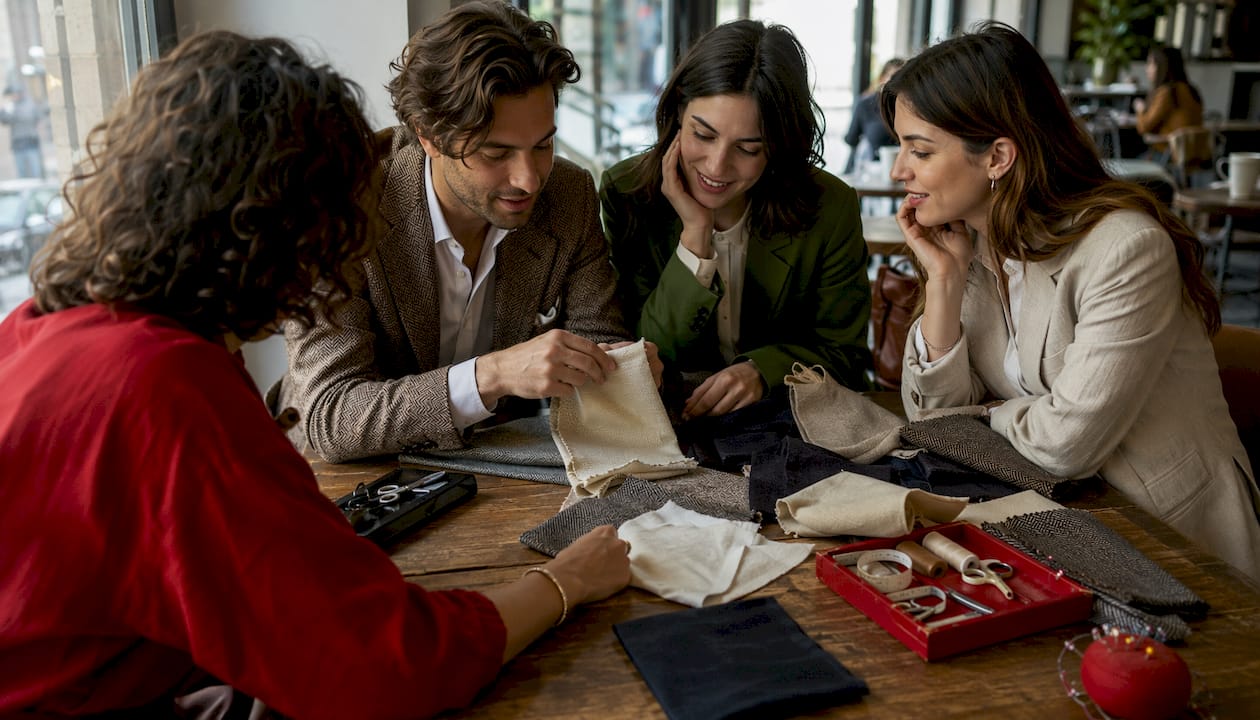
Accessories are the finishing touch that most people underestimate. A structured bag, a simple watch, or a pair of understated earrings can shift an outfit from “almost there” to “exactly right.” Accessories often decide whether a smart casual outfit succeeds, adding subtle polish without distraction.
Common mistakes that undermine a smart casual look
The most frequent error is assuming that smart casual simply means jeans with a nice top. As Hunterskill Recruitment explains, success depends on elevated casual elements paired with structured accessories. Jeans alone do not carry the look; the pieces around them do.
What to avoid:
- Ripped, frayed, or slouchy denim
- Gymwear, leggings, or activewear of any kind
- Flip-flops, dirty trainers, or heavily worn shoes
- Loud logos or oversized graphic prints
- A full suit or overly formal separates (this tips into business formal territory)
- Too many competing prints or colours in one outfit
- Overly revealing cuts: very short hemlines, low necklines, or sheer fabrics without layering
The balance issue cuts both ways. Esquire UK notes that pairing a formal top with casual bottoms, or vice versa, without cohesion breaks the dress code entirely. A sharp blazer over tracksuit bottoms is not smart casual; neither is a full suit jacket with a graphic tee. The pieces need to speak the same language, even if they come from different ends of the formality spectrum.
Visual restraint is the hallmark of getting it right. Limiting loud patterns and flashy accessories creates a cohesive, polished look, and that restraint is what separates someone who has mastered smart casual from someone who has simply tried to dress up a casual outfit.
How to make smart casual feel personal and occasion-ready
Smart casual is one of the few dress codes that genuinely rewards personal expression, provided you stay within its principles. The key is adjusting the formality dial based on the occasion rather than reinventing your wardrobe each time.
For a work setting, lean toward the structured end: tailored trousers, a polished blouse, and a blazer. For a social event like a wedding drinks reception or gallery opening, you can afford more personality: a printed midi dress, a statement earring, or a textured knit in a bolder colour. An evening occasion calls for richer fabrics and slightly more considered accessories, but the same principles of balance and restraint apply.
Ways to add personality without losing polish:
- A single statement accessory (earrings, a scarf, or a structured bag in an accent colour)
- Texture mixing: pairing a fine knit with tailored fabric, or linen with leather
- A subtle print on one piece, kept neutral everywhere else
- Layering with a longline cardigan or a well-cut coat over a simple base
Pro Tip: When you are unsure of the formality level for a specific event, dress slightly smarter rather than slightly more casual. As GQ UK advises, it is far more comfortable to be overdressed than underdressed, and a blazer can always be removed.
Mainline Menswear’s guide describes the approach well: smart casual involves visual restraint and skilful layering, mixing formal and casual pieces to create polished yet effortless looks. The effortless part is the goal. When an outfit looks like it took effort, it usually means something is slightly off.
Inclusive smart casual: styling options for every woman
Smart casual is genuinely one of the most inclusive dress codes, because its flexibility accommodates a wide range of body shapes, style preferences, and modesty requirements. The principles of quality, fit, and balance apply equally to everybody, and the variety of garments that qualify means there is no single “correct” silhouette.
For women who prefer modest styling, the dress code is particularly well-suited. A long-sleeve midi dress in a quality fabric ticks every smart casual box: appropriate coverage, a polished silhouette, and enough versatility to work from a work meeting to an evening event. Pair it with loafers and a structured bag for daytime, or swap in block heels and a fine-knit layer for something more evening-appropriate.
Inclusive styling tips by body shape and preference:
- Petite: Cropped blazers and fitted trousers elongate the silhouette; avoid oversized proportions that overwhelm
- Curvy or plus size: Wrap dresses and high-waist tailored trousers are flattering and polished; plus size shopping tips can help you find the right fit
- Tall: Wide-leg trousers and longline blazers work beautifully; midi and maxi lengths are proportionate rather than too short
- Modest preference: Midi dresses, wide-leg trousers, and layered knitwear all sit comfortably within smart casual without compromise
Versatile trousers are a particular strength for inclusive dressing. Lashra’s denim-look stretch Magic Pants offer the polished appearance of tailored denim with the comfort of a stretch fabric, making them a practical choice for a full working day. The Made in Italy wet look plain trousers take the same idea further, with Italian craftsmanship and a sleek finish that reads as genuinely elevated. Quality and comfort are not a trade-off in smart casual; the best pieces deliver both.
Lashra makes smart casual effortless for every woman
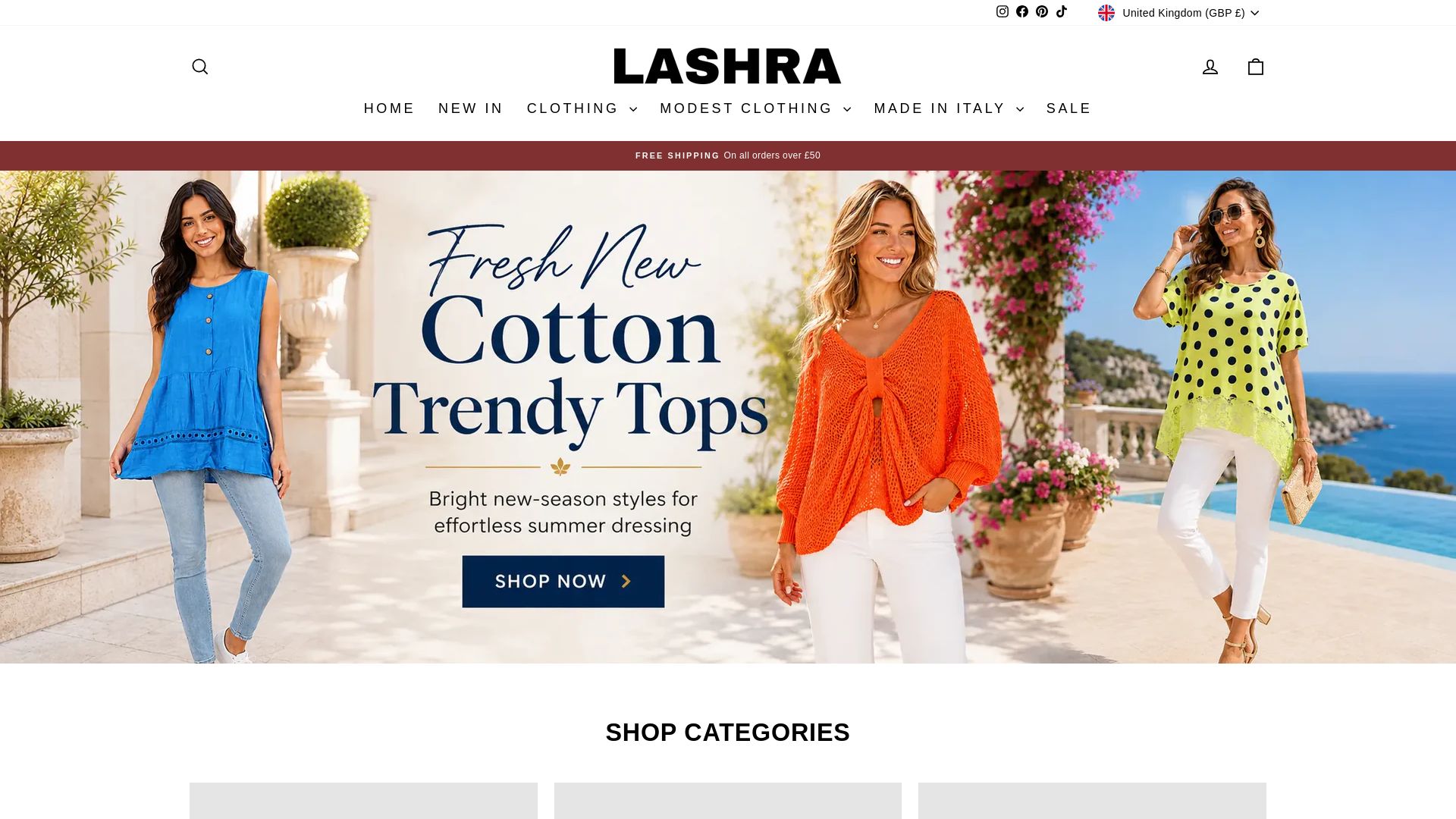
Getting the smart casual dress code right comes down to having the right pieces in your wardrobe, and that is exactly where Lashra comes in. We specialise in women’s clothing that blends contemporary design with genuine wearability, from our women’s knitwear collection to our Made in Italy tailored trousers, every piece is chosen with quality, fit, and versatility in mind.
What sets Lashra apart is our commitment to inclusivity. Our range covers modest styles, plus size options, and diverse silhouettes, so you can build a smart casual wardrobe that works for your body and your life, not someone else’s. Free shipping on orders over £50 and hassle-free returns mean you can shop with confidence and find what truly fits.
Browse our full clothing collection to find your smart casual staples today.
Key takeaways
Smart casual works when quality fabrics, good fit, and visual restraint combine with at least one structured piece to create an outfit that is polished without being stiff.
| Point | Details |
|---|---|
| Balance is the foundation | Pair one structured piece with one relaxed piece; both ends of the outfit must speak the same style language. |
| Fabric signals quality | Fine cotton, linen, wool, and viscose read as polished; choose these over synthetic blends where possible. |
| Accessories complete the look | A structured bag, clean footwear, and minimal jewellery often decide whether an outfit succeeds or falls short. |
| Avoid the common pitfalls | Ripped denim, gymwear, flip-flops, and loud logos all undermine the smart casual standard immediately. |
| Lashra for women’s smart casual | Lashra’s inclusive range of knitwear, tailored trousers, and modest dresses covers every smart casual occasion with quality and comfort. |